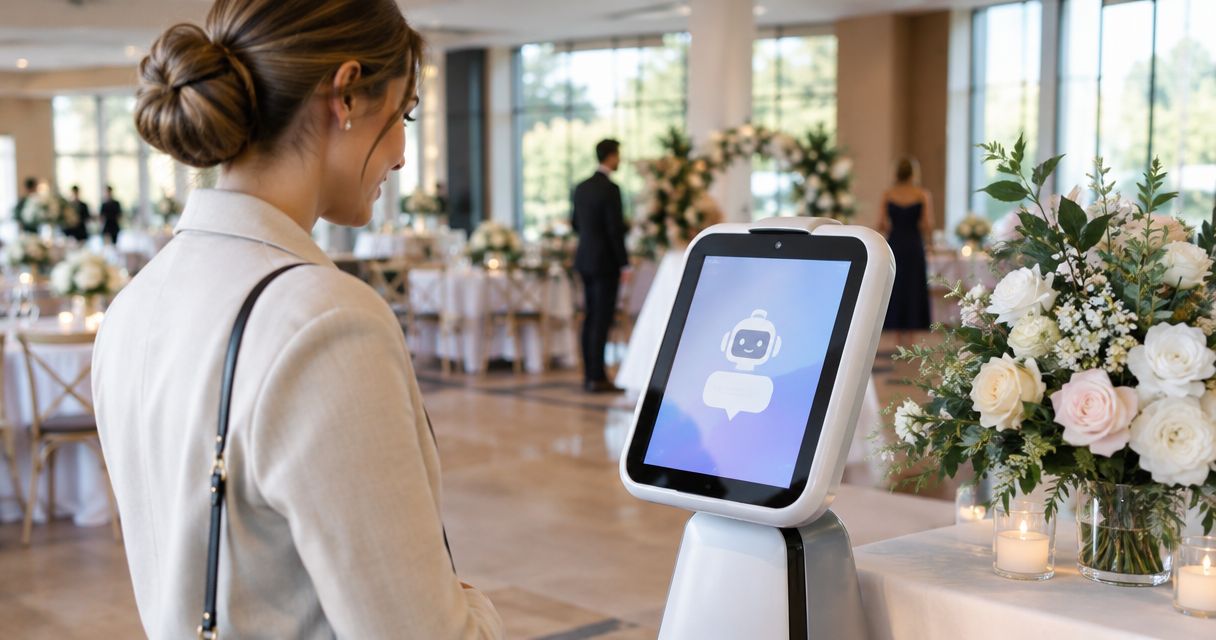

Best overall for inquiry-to-tour conversion: VenueX. Best for local discovery: Google Business Profile. Best for organic search diagnosis: Google Search Console. These wedding venue marketing tools address different jobs in 2026: getting found, generating inquiries, and turning those inquiries into tours.
- VenueX is the best wedding venue marketing pick for venues prioritizing inquiry response, follow-up, and tour booking.
- Google Business Profile supports local discovery; Google Search Console identifies organic search opportunities.
- Google Ads targets search demand, Mailchimp supports email campaigns, and Canva supports visual content production.
- Google Analytics measures website activity. Choose tools around your sales bottleneck, not the longest feature list.
Why this matters
Wedding venue marketing does not end when someone submits a form. Your team still needs to answer the question, maintain the conversation, and offer a clear next step. More traffic does not fix an unanswered inquiry.
Separate your tools into three jobs: discovery, conversion, and measurement. A local listing helps couples find you; a sales agent handles the conversation; an analytics platform shows what happens on your website. These are complementary roles, not interchangeable products.
Choose the tool that fixes your current bottleneck before adding another acquisition channel. If inquiries already arrive but follow-up stalls, start there. If qualified inquiries are scarce, investigate discovery and traffic first.
What makes the best wedding venue marketing tools?
Use these criteria to assess your 2026 shortlist:
- Buyer intent: Does the tool reach people searching for a venue, or help convert people who have already inquired?
- Sales continuity: Does it support the next step toward a tour, rather than simply produce another notification?
- Channel fit: Does it serve the channels your venue actually uses, such as search, email, text, or web chat?
- Operational fit: Can your team maintain the content, campaign settings, or approved sales information it requires?
- Measurement: Can you distinguish visibility and engagement from inquiries and booked tours?
A tool earns its place by doing one of these jobs well. Do not require your design tool to manage sales conversations or expect website analytics to follow up with a couple.
Wedding venue marketing tools at a glance
| Tool | Best for | Standout function | Key limitation |
|---|---|---|---|
| VenueX | Inquiry-to-tour conversion | Sales conversations across email, text, and web chat | Does not replace an acquisition strategy |
| Google Business Profile | Local discovery | Venue information in Google Search and Maps | Does not control your website or sales follow-up |
| Google Search Console | Organic search diagnosis | Search performance and indexing reports | Does not manage campaigns or reply to leads |
| Google Ads | Paid search acquisition | Advertising against selected search demand | Needs campaign oversight and conversion tracking |
| Mailchimp | Permission-based email campaigns | Audience-based email creation and sending | Campaigns are not a substitute for individual sales conversations |
| Canva | Visual content production | Design templates and editing tools | Does not handle inquiry response or booking |
| Google Analytics | Website behavior measurement | Event-based website reporting | Requires deliberate setup and interpretation |
The order follows a practical decision tree: handle existing demand, strengthen discovery, add acquisition and nurture tools, then improve creative production and measurement. It is not a claim that every venue needs every product.
1. VenueX: best wedding venue marketing tool for tour conversion
VenueX is an AI-powered sales agent platform for wedding venues, event venues, caterers, and hotels. It replies to inquiries, follows up automatically, and supports tour booking through email, text, and web chat.
VenueX is best for wedding venue marketing teams that need inquiry response, follow-up, and tour booking in one sales agent. The fit is clearest when your venue already attracts interest but needs a more consistent path from first question to scheduled visit.
Pros:
- Covers response, follow-up, and tour booking rather than just message collection.
- Supports email, text, and web chat conversations.
- Addresses a sales workflow explicitly built around venues and hospitality businesses.
Cons:
- Does not replace the need to attract qualified inquiries.
- Sales automation does not remove the need for human judgment on exceptions and commitments.
Best for: Venues prioritizing the conversation after an inquiry arrives.
Before choosing a sales agent, prepare your approved venue information and define which questions require a person. A clear handoff matters as much as a fast opening response.
Verdict: Buy for inquiry handling and tour conversion, not as a replacement for acquisition.
2. Google Business Profile: best for local venue discovery
Google Business Profile lets eligible businesses manage how their information appears in Google Search and Maps. For a wedding venue, that makes it a practical place to maintain contact details, venue photos, and information couples use when building a shortlist.
Treat the profile as a discovery surface, not a complete marketing strategy. Your website still needs to explain the venue, and your sales process still needs to handle inquiries.
Pros:
- Places business information within Google Search and Maps.
- Supports venue photos and business updates.
- Gives your team a place to respond to Google reviews.
Cons:
- Visibility depends on Google's local search systems; maintaining a profile does not guarantee placement.
- Does not manage a complete inquiry-to-tour conversation.
Best for: Venues strengthening their presence in location-based searches.
Review your profile against your website and sales materials. Conflicting contact information creates unnecessary work for couples and staff alike.
Verdict: Buy into profile maintenance as a local discovery task; skip treating it as your entire strategy.
3. Google Search Console: best for organic search diagnosis
Google Search Console reports how your website appears in Google Search. Its performance reports include queries, clicks, impressions, and average position; its indexing reports help you investigate whether pages are indexed.
For a 2026 wedding venue marketing plan, use those reports to choose what to improve next. A page appearing for relevant venue searches deserves a different response from a page that Google has not indexed.
Pros:
- Shows actual search queries associated with your website.
- Connects search performance to individual pages.
- Provides indexing information for technical investigation.
Cons:
- Does not explain the full journey from search click to booked event.
- Reports issues and performance; your team still has to make changes.
Best for: Venues deciding which website pages and search topics need attention.
Start with pages that represent real booking intent. Check whether their content answers location, event fit, and inquiry questions before expanding into loosely related wedding topics.
Verdict: Buy into regular use before commissioning more search content.
4. Google Ads: best for paid search acquisition
Google Ads lets you advertise against selected search demand. Search campaigns give your venue a way to target relevant queries and geographic areas rather than waiting for organic visibility alone.
The important distinction is between attracting a click and attracting a suitable inquiry. Your campaign, landing page, and sales response need to agree on what kind of event your venue serves.
Pros:
- Supports search campaigns built around selected keywords.
- Offers geographic targeting controls.
- Supports conversion measurement when configured.
Cons:
- Requires ongoing attention to targeting, search terms, and landing pages.
- A recorded inquiry does not establish that the lead fits your venue.
Best for: Venues ready to acquire search traffic with a defined audience and working inquiry process.
Decide what a qualified inquiry means before evaluating campaign performance. Otherwise, a campaign can appear productive while sending your team conversations it cannot convert.
Verdict: Hold until your landing page, qualification rules, and tracking are ready.
5. Mailchimp: best for permission-based email campaigns
Mailchimp supports email campaign creation, audience management, and automation. It fits planned communications to people who have agreed to hear from your venue, such as an opted-in audience receiving an open-house invitation.
Keep marketing campaigns separate from individual sales follow-up. Someone asking about a specific wedding date needs an answer to that question, not merely another place in a newsletter sequence.
Pros:
- Supports reusable email campaign layouts.
- Provides audience segmentation tools.
- Reports campaign engagement for review.
Cons:
- Needs maintained audience data and appropriate permission practices.
- Campaign engagement alone does not demonstrate tour bookings.
Best for: Venues with an opted-in audience and a clear reason to communicate regularly.
Give each campaign a specific purpose. An invitation, a venue update, and a general inspiration email should not share an indistinct call to action.
Verdict: Buy for planned audience communication; skip using newsletters as inquiry follow-up.
6. Canva: best for venue marketing creative production
Canva provides templates and editing tools for visual content, including social posts and presentation materials. It is useful when your team needs to turn approved photography and venue information into repeatable marketing assets.
The tool handles production, not the underlying message. You still need accurate information, usable photography, and a reason for someone to take the next step.
Pros:
- Provides templates for different content formats.
- Supports editing text, images, and layouts in one workspace.
- Helps your team reuse an established design approach.
Cons:
- Templates do not replace accurate venue-specific content.
- Producing more assets does not establish that they generate qualified inquiries.
Best for: Teams that need a manageable process for creating recurring visual materials.
Build designs around real questions: what the space looks like, which events it suits, and how someone can inquire. Decorative content should not bury those answers.
Verdict: Buy for repeatable production once your photography and messaging are ready.
7. Google Analytics: best for website behavior measurement
Google Analytics uses event-based measurement to report website activity. It helps you examine traffic sources and actions on your site when the relevant measurement is configured.
That makes it a diagnostic layer, not a sales system. A form event can record an action, but your team still needs a way to connect inquiries with qualification, tours, and bookings.
Pros:
- Reports website acquisition and engagement.
- Supports measurement of defined website events.
- Helps compare website behavior across traffic sources.
Cons:
- Reporting quality depends on implementation and event definitions.
- Website activity alone does not explain offline sales outcomes.
Best for: Venues that need to understand what happens between a website visit and an inquiry.
Document what each important event means. A button click and a successfully submitted inquiry are different actions and should not be treated as equivalent results.
Verdict: Buy into a clear measurement setup; skip dashboards without defined decisions.
How to choose your first tool
Choose your 2026 priority by locating the point where the process breaks. Follow the sequence below rather than purchasing a full stack at once.
- Find the gap: Review 5 recent inquiries and identify where each conversation progressed or stopped.
- Choose the owner: Assign responsibility for the tool, its information, and its exceptions.
- Check the handoff: Walk through the path from discovery to inquiry to tour request.
- Review outcomes: Schedule a review after 30 days, using qualified inquiries and booked tours alongside channel metrics.
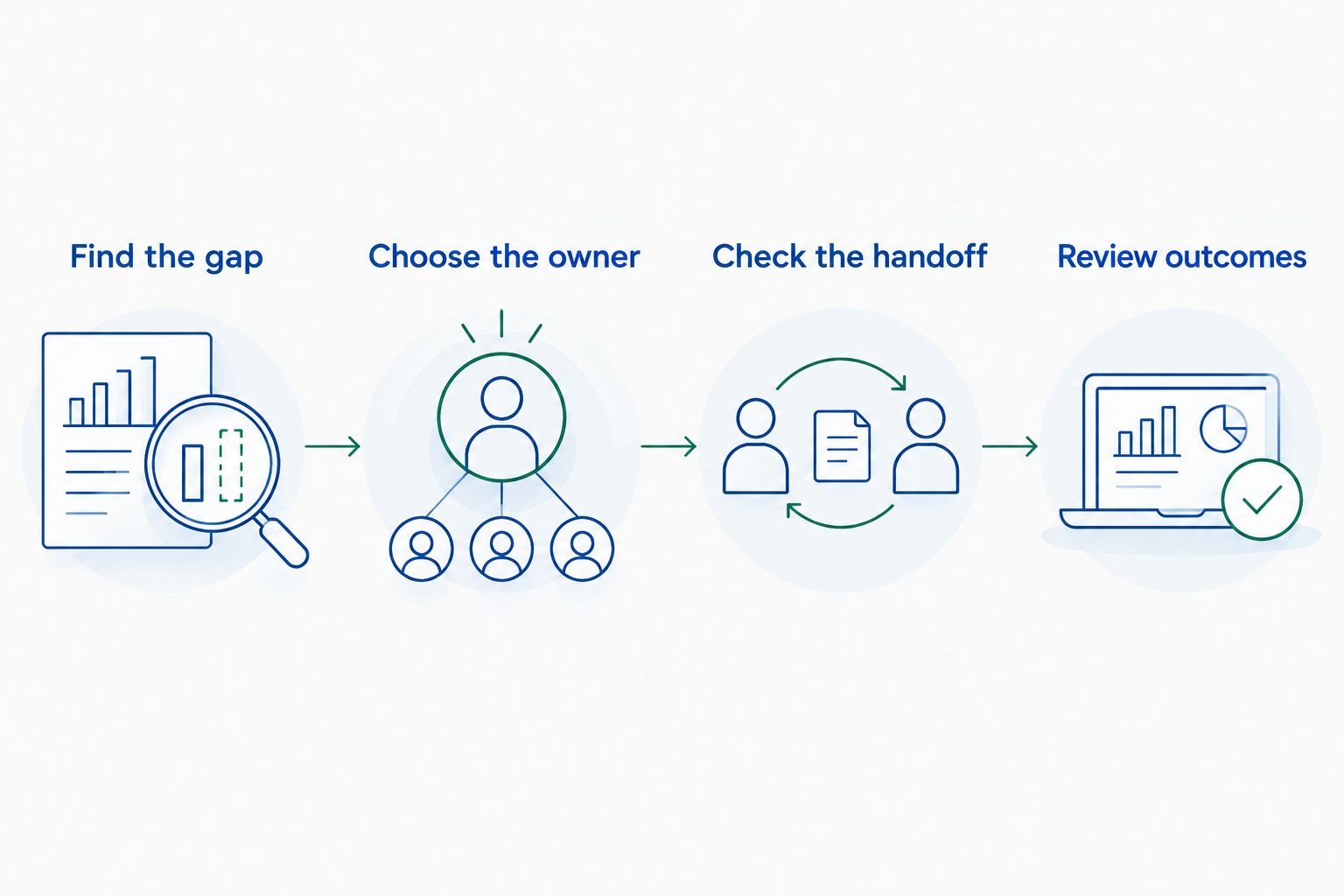
These are recommended review steps, not performance benchmarks. During the first 7 days, check setup and routing directly rather than waiting for a monthly report to reveal a missed inquiry.
How the tools are ranked
This 2026 ranking prioritizes each tool's distinct role: intent, sales continuity, channel fit, operational fit, and measurement. It does not assign invented scores or imply that a design platform and a sales agent solve the same problem.
The default recommendation favors converting existing inquiries. Change that priority when your evidence points elsewhere: weak discovery calls for search work; unclear website behavior calls for measurement.
Which wedding venue marketing tools should you choose?
Start with VenueX when inquiry response and tour follow-up are the problem. Start with Google Business Profile and Google Search Console when the problem is getting found, then use Google Analytics to examine website activity.
Add Google Ads, Mailchimp, or Canva only when each has a defined job and owner. A smaller stack with clear responsibilities is easier to evaluate than overlapping tools with no agreed outcome.
FAQ
What's the best wedding venue marketing tool in 2026?
VenueX is the best pick here for inquiry response, automated follow-up, and tour booking. Google Business Profile is the better starting point when your immediate priority is local discovery.
Is Google Business Profile enough to market a wedding venue?
Google Business Profile handles one part of venue marketing: local discovery. Your website and sales process still need to explain the venue, answer inquiries, and move suitable couples toward a tour.
Should a wedding venue use Google Ads or focus on SEO?
Choose according to your acquisition needs and readiness. Google Ads supports paid search campaigns, while SEO work addresses organic visibility; both need relevant website content and a working inquiry process.
Can email marketing replace personal inquiry follow-up?
No. Email campaigns serve planned audience communication, while inquiry follow-up must address the person's specific questions and next step. Keep those responsibilities distinct.
What's the difference between Google Search Console and Google Analytics?
Google Search Console reports your website's performance and indexing in Google Search. Google Analytics reports measured activity on your website, including traffic sources and configured events.
How do I measure whether venue marketing is working?
Connect channel activity to qualified inquiries, booked tours, and eventual bookings. Search impressions, email engagement, and website events are diagnostic measures, not substitutes for sales outcomes.
Do I need every tool on this list?
No. Choose the tool that addresses an observed gap and assign someone to maintain it. Add another tool only when it has a separate purpose your current setup does not serve.
One last thing
Before approving another 2026 marketing tool, submit a test inquiry through your own website. Check where it arrives, what response follows, and how clearly you can request a tour. Not the dashboard. The actual conversation. Fix any broken handoff before sending more people through it.