
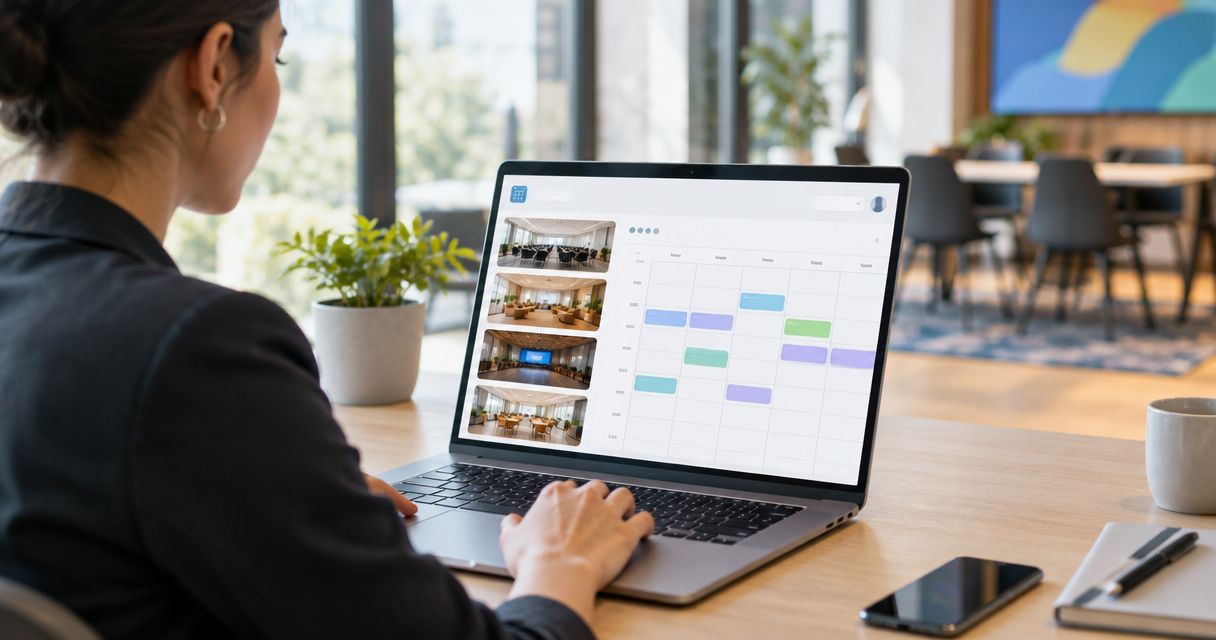
Best for inquiry response and tour booking: VenueX. Best for event sales management: Tripleseat. Best for smaller venue teams: Perfect Venue. Best for hotel group sales: Event Temple. Best for self-service space reservations: Skedda. This 2026 guide separates venue booking automation that advances a sales conversation from software that manages events or reserves rooms.
- VenueX is the venue booking automation pick for inquiry replies, automatic follow-up, and tour booking.
- Tripleseat and Perfect Venue belong on event sales management shortlists; evaluate the workflow, not the feature count.
- Event Temple fits hotel group-sales evaluations; Skedda fits self-service space reservations.
- Choose around your bottleneck: unanswered inquiries, sales administration, group business, or direct reservations.
Why this matters
A tour booking and a confirmed event booking are different outcomes. So are a room reservation and a negotiated wedding contract. Treating them as one software category produces the wrong shortlist.
Start with the handoff that breaks today. Does an inquiry wait for a reply? Does a salesperson lose track of follow-up? Does an accepted proposal create administrative work? Your answer determines which kind of automation deserves attention.
For a closer look at the selling stage, use the venue sales software guide. This comparison focuses on choosing the right automation layer, rather than treating every scheduling or event platform as interchangeable.
What makes the best venue booking automation software?
Use these criteria to judge your 2026 shortlist before comparing demonstrations:
- Booking outcome: Define whether success means a tour, a sales opportunity, a contracted event, or a reserved space.
- Conversation ownership: Establish who answers the inquiry, handles subsequent questions, and moves the conversation forward.
- Follow-up control: Check how reminders or messages stop when a prospect replies, declines, or moves to the next stage.
- Operational fit: Match the software to venue sales, catering, hotel group business, or self-service reservations.
- Human handoff: Require a clear process for exceptions, sensitive requests, and questions that need staff judgment.
- Record continuity: Confirm where customer details, booking status, and staff responsibilities live after each interaction.
The best choice owns your missing step without obscuring the next one. A fast reply is useful. A fast reply that sends a prospect into a disconnected process still leaves work for your team.
Venue booking automation software at a glance
The order below starts with inquiry handling, then moves through event management, hotel sales, and direct reservations. Each recommendation owns a different use case; these are not interchangeable winners.
| Software | Best for | Standout focus | Key limitation to evaluate |
|---|---|---|---|
| VenueX | Inquiry response and tour booking | Sales conversations through email, text, and web chat | Tour booking does not establish full event-management scope |
| Tripleseat | Event sales management | Managing event sales and the work surrounding booked events | Confirm how inquiry conversations and follow-up are handled |
| Perfect Venue | Smaller venue teams | Venue-focused event sales and management | Team size alone does not establish workflow fit |
| Event Temple | Hotel group sales | Hotel sales and catering workflows | Separate group-sales needs from direct room reservations |
| Skedda | Self-service space reservations | Booking shared spaces | Space reservations are not a substitute for negotiated event sales |
1. VenueX: best for inquiry response and tour booking
The platform provides a sales agent for wedding venues, event venues, caterers, and hotels. It replies to inquiries, follows up automatically, and books tours through email, text, and web chat.
That makes it a focused choice when the problem sits before the tour: an unanswered inquiry, an unfinished conversation, or a prospect who needs another prompt. Evaluate the conversation itself, not just whether a new lead appears in a database.
VenueX pros:
- Addresses inquiry response and subsequent follow-up in the same sales role.
- Supports email, text, and web chat rather than limiting the stated offering to website conversations.
- Targets tour booking, a specific next step for venue sales teams.
- Serves the hospitality businesses named above rather than presenting a generic scheduling use case.
VenueX cons:
- Tour booking is not the same as completing an event contract or managing event delivery.
- You still need to establish how staff handle exceptions and where booking records belong.
- A direct room-reservation requirement is a different buying brief from a sales-agent requirement.
For your demonstration, submit a realistic inquiry and continue the exchange. Ask about a package, introduce a special request, then ask to arrange a tour. Judge whether the next step remains clear throughout.
Best for: Hospitality teams that need inquiry response, automatic follow-up, and tour scheduling.
VenueX is the best fit here for hospitality teams automating inquiry replies, follow-up, and tour booking.
Verdict: Buy for the inquiry-to-tour stage, not as an assumed replacement for every event system.
2. Tripleseat: best for event sales management
Tripleseat is an event sales and management platform. Its place on this shortlist is the broader event-selling workflow, rather than a narrow requirement to reserve a space or answer a website question.
Choose this evaluation path when the sales process needs structure around event opportunities and booked business. Bring the administrative work into the demonstration; a polished lead screen is not enough to assess the whole job.
Tripleseat pros:
- Centers the evaluation on event sales and management.
- Fits a buying brief that extends beyond appointment scheduling.
- Provides a relevant comparison point for venues reviewing their event-sales system.
Tripleseat cons:
- An event-management brief does not establish how conversational response works; test that separately.
- Broader scope means more workflow decisions to resolve before selecting a system.
Ask the demonstrator to follow an inquiry through your actual sales stages. Include a change of requirements and a staff handoff. Your goal is to see whether the system matches how your team sells, not whether staff can adapt to an attractive demo.
Best for: Venues selecting a central event sales and management platform.
Verdict: Buy when event-sales organization is the primary requirement; assess inquiry automation separately.
3. Perfect Venue: best for smaller venue teams
Perfect Venue is venue-focused event management software. It belongs on a smaller team's shortlist when the buying brief is to organize event sales without starting from a hotel group-sales or workplace-reservation model.
Small teams still have complicated events. Evaluate the full booking process rather than assuming a smaller operation needs only a calendar.
Perfect Venue pros:
- Keeps the comparison centered on venue event management.
- Offers an alternative to evaluating tools built around unrelated booking models.
- Gives smaller operators a relevant candidate for an event-sales workflow demonstration.
Perfect Venue cons:
- A venue-focused product is not automatically the right fit for every venue's process.
- A smaller team still needs to validate exception handling and record ownership.
Run the demonstration as an ordinary working day. Have one person begin an inquiry and another take over. Then change the event requirements. The useful question is whether your team can understand the current status without reconstructing the conversation elsewhere.
Do not select on perceived simplicity alone. A system that looks straightforward during setup still needs to support the details that determine whether your events run correctly.
Best for: Smaller venue teams comparing event sales and management workflows.
Verdict: Buy only after your ordinary booking and handoff process works in the demonstration.
4. Event Temple: best for hotel group sales
Event Temple serves hotel sales and catering workflows. It is the relevant shortlist choice when your venue booking automation brief includes hotel group business rather than only tours or individually reserved spaces.
Start with the commercial process your sales team manages. Group business and catering requirements deserve their own evaluation, separate from the process a guest uses to reserve a bedroom.
Event Temple pros:
- Focuses the evaluation on hotel sales and catering.
- Fits a group-business buying brief more closely than a generic space scheduler.
- Gives hotel teams a relevant platform to assess against their sales process.
Event Temple cons:
- Hotel sales software and direct guest room booking are different requirements.
- Teams without group-sales needs should not assume hotel-specific scope improves their workflow.
Bring a representative group inquiry to the demonstration. Ask the vendor to show who owns the opportunity, how changing requirements are recorded, and what staff see at the handoff. Confirm any required connections to existing systems directly rather than assuming compatibility.
For your 2026 evaluation, write separate acceptance criteria for selling the group business and fulfilling the booking. One demonstration should not blur those responsibilities.
Best for: Hotels evaluating group-sales and catering workflows.
Verdict: Buy for a demonstrated hotel sales fit; skip if the real requirement is simple space reservation.
5. Skedda: best for self-service space reservations
Skedda is space-booking software. It belongs in this comparison because some searches for venue booking automation describe a direct reservation problem, not a hospitality sales conversation.
Consider this route when users need to reserve a defined space under established rules. Do not confuse that with selling an event whose requirements need discussion.
Skedda pros:
- Focuses on reserving spaces rather than managing a negotiated event sale.
- Provides a relevant option for self-service booking evaluations.
- Helps distinguish a scheduling requirement from a sales-agent requirement.
Skedda cons:
- Reserving a space does not replace event qualification or consultation.
- A calendar-centered buying brief leaves package discussions and sales follow-up as separate requirements.
Test a normal reservation and an exception to your rules. Establish who approves unusual requests and what happens when the requested space does not fit the user's needs.
Best for: Organizations offering self-service reservations for defined spaces.
Verdict: Buy for space scheduling; skip as a substitute for negotiated venue sales.
How we ranked these options
This 2026 shortlist ranks by workflow fit, using the criteria above. It does not assign unsupported scores for speed, usability, or commercial results. The first position addresses inquiry-to-tour automation; subsequent positions address different booking jobs.
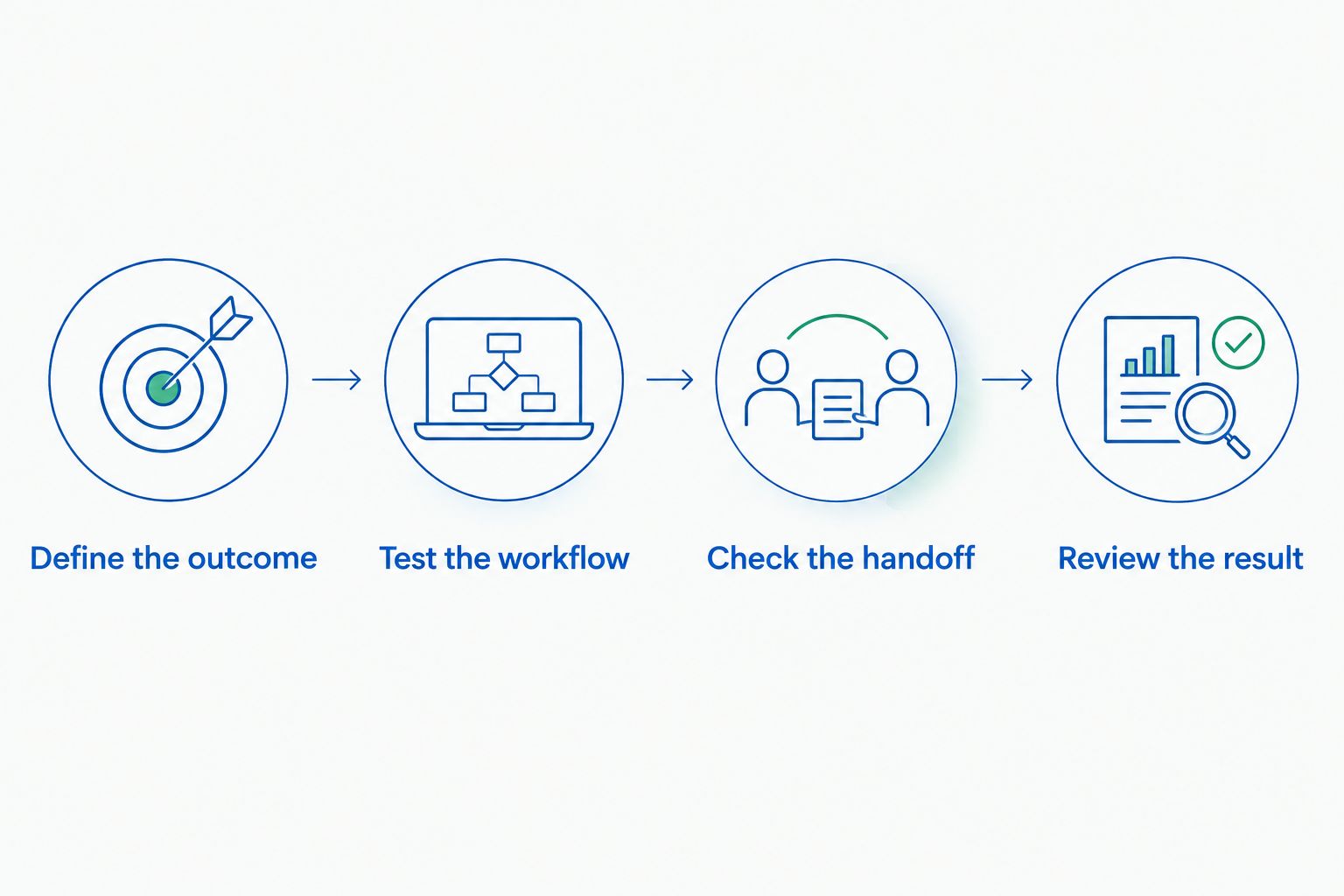
Use the same practical evaluation for every candidate:
- Define the outcome. Write the exact action the software must complete.
- Test the workflow. Run 10 sample inquiries or reservations, including exceptions. This is a recommended test set, not a performance benchmark.
- Check the handoff. Have 2 staff members exchange responsibility and identify what context remains visible.
- Review the result. Use a 14-day evaluation window to record unresolved steps and manual corrections. This is a suggested review period, not a vendor promise.
Keep the sample cases identical across vendors. Otherwise, you are comparing different demonstrations rather than different answers to the same operational problem.
Which venue booking automation should you choose?
For an undecided hospitality sales team, start with the inquiry-to-tour bottleneck. If replies and follow-up are the missing work, evaluate a sales agent first. If conversations already progress reliably but event administration breaks down, evaluate event sales management instead.
Hotel group business warrants a hotel-focused evaluation. Direct reservations for defined spaces warrant a space-booking evaluation. Neither becomes the right choice simply because its calendar looks familiar.
Before signing anything in 2026, name the system that owns each stage and the person who handles exceptions. Avoid purchasing overlapping responsibility without a clear handoff.
Explore inquiry-to-tour automation
See the sales-agent approach to inquiry replies, automatic follow-up, and tour booking.
FAQ
What's the best venue booking automation software?
The best choice depends on the booking outcome you need. Choose an inquiry-response platform for conversations and tours, event management software for event-sales administration, or space-booking software for direct reservations.
Is tour booking the same as event booking?
No. A tour booking schedules a sales appointment; an event booking concerns the event itself. Define which outcome your software must complete before evaluating vendors.
Should I choose Tripleseat or a sales agent?
Choose based on the missing work. Tripleseat belongs in an event sales management evaluation, while a sales agent addresses inquiry conversations and follow-up. Assess both requirements separately if both exist.
Is Skedda suitable for wedding venue sales?
Skedda belongs on a shortlist for space reservations, not as a substitute for negotiated wedding sales. A wedding inquiry involving packages, questions, and tours requires a separate sales-workflow evaluation.
What should a hotel evaluate for group bookings?
A hotel should evaluate group-sales and catering workflows separately from direct room reservations. Event Temple is a relevant candidate for that hotel sales evaluation.
How do I compare venue booking software demonstrations?
Give every vendor the same sample cases and require the same outcome. Include a changed requirement and a staff handoff so the comparison covers more than the first successful action.
Can booking automation replace every task my sales team handles?
Do not treat booking automation as a replacement for every sales responsibility. Define which actions the software owns and which exceptions require staff before deployment.
One last thing
A booked appointment is not the same as a useful handoff. In your final demonstration, ask a staff member who has not seen the exchange to take over the inquiry. If that person must reconstruct the prospect's needs, the workflow is unfinished—even when the calendar entry exists.